Canon EOS 7D Mark II

First shots with my Canon EOS 7D Mark II
As I mentioned in an earlier post, as well as trying out my new lens, I was eagerly awaiting my new Canon EOS 7D Mark II. I have used the Mark I for quite a while now - it's a great camera. But I was drawn by the potential to upgrade, particularly reports of more focussing points and improved autofocusing, 10 frames a second and reduced image noise. So I was very excited about the opportunity to take a trip to some of my favourite haunts in Norfolk with my new set up - EOS 7D Mark II and Sigma 150-600mm Sport lens.
The weather in Norfolk didn't really understand how excited I was, and it took most of the day to produce any kind of decent light at all. Overall though, I was really pleased with the results which I will include over a number of posts. This first post is a taster, showing the variety of species I photographed in the day.
I am not an expert in any way and I will not attempt to give any kind of proper review of the camera or lens. Suffice to say, I am very impressed with both - I would go so far as saying they could revolutionise my wildlife photography. And I still have my original Mark I and 100-400mm setup as well.
I started along the coastal strip at Salthouse. I have previously found some confiding wading birds in the pools behind the shingle bank - but on this occasion I was out of luck. I decided to focus my attention on much smaller birds, and really test out the reach of my new lens.
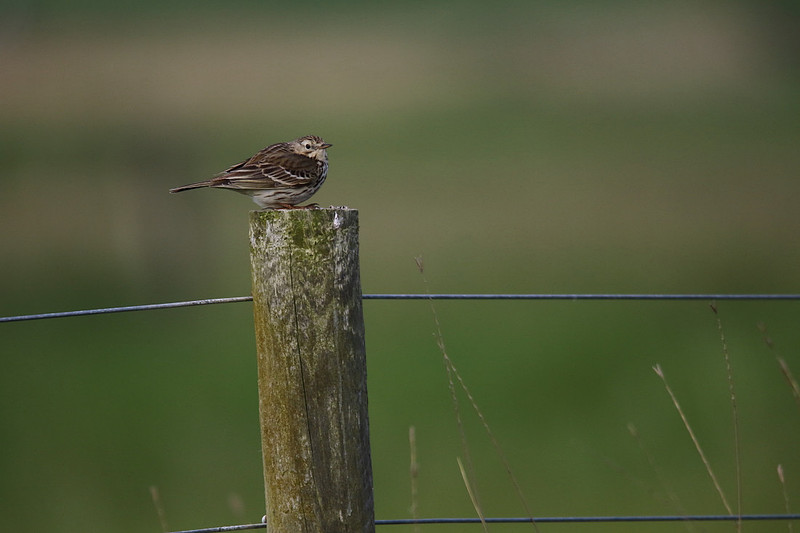
I spent quite a while photographing Meadow Pipits. In this first image, the bird is quite small in the frame. But I include it as it was the very first image I took with the new set up. It therefore has some sentimental value, and is certainly an image I couldn't have taken at 400mm, being across a deep, water filled ditch.

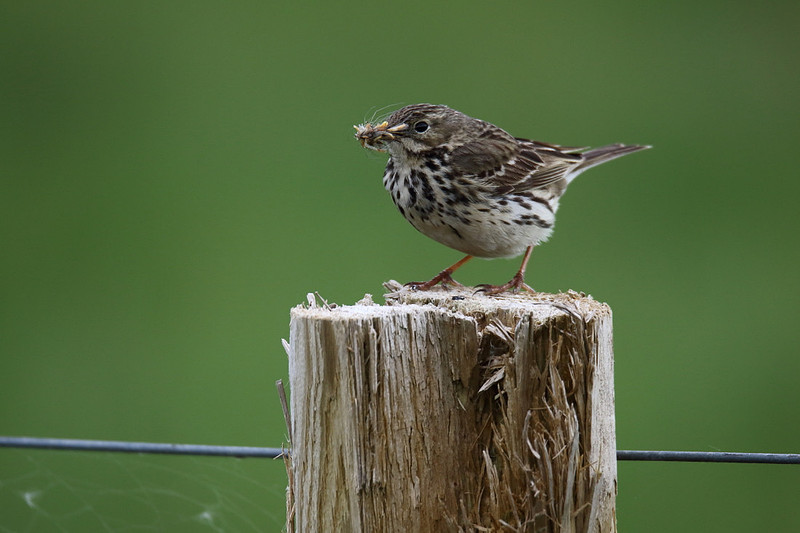
With patience, and after watching the behaviour of the birds for a while, I was able to get a lot closer, still photographing across a ditch.
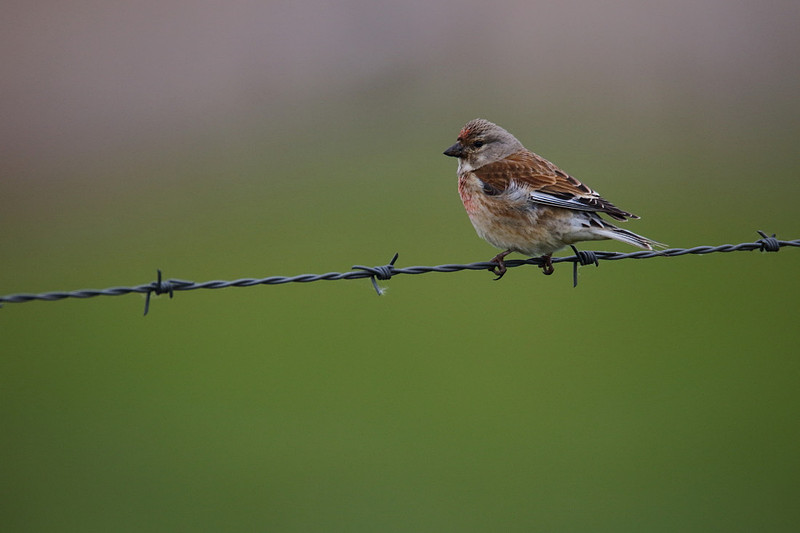
This male Linnet was also quite confiding, flitting around a bush with it's mate. I decided to leave them alone though as this was obviously their nest site.
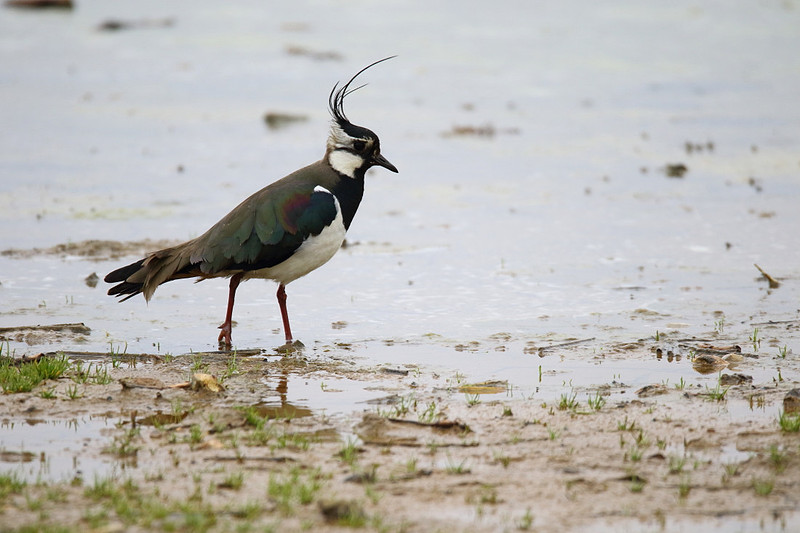
My next stop was Cley Marshes - but the light was so dull I didn't get any images I was really pleased with. I photographed this Lapwing from one of the new hides - again a shot made possible because of the new lens.
With the light not getting any better at Cley, I decided to head back up the coast to my favourite location - Titchwell RSPB reserve.
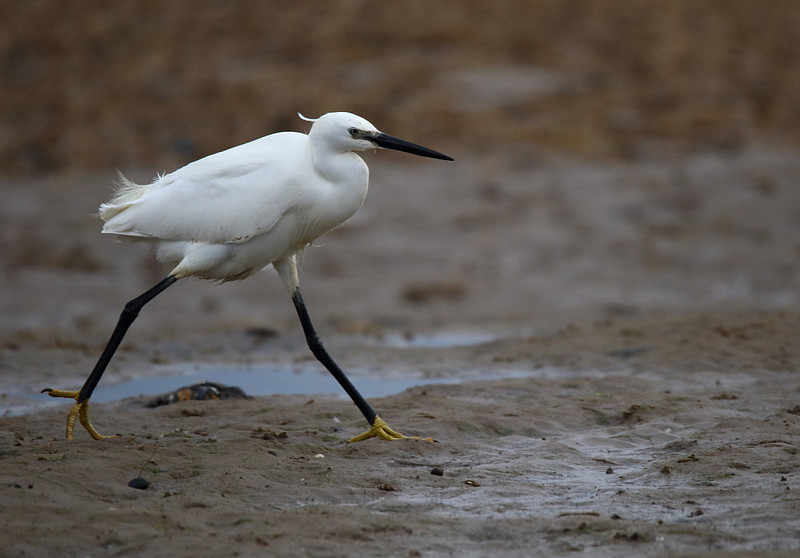
For the first hour or so the light remained dull. I managed a few images of a Little Egret by carefully stalking it along the beach.
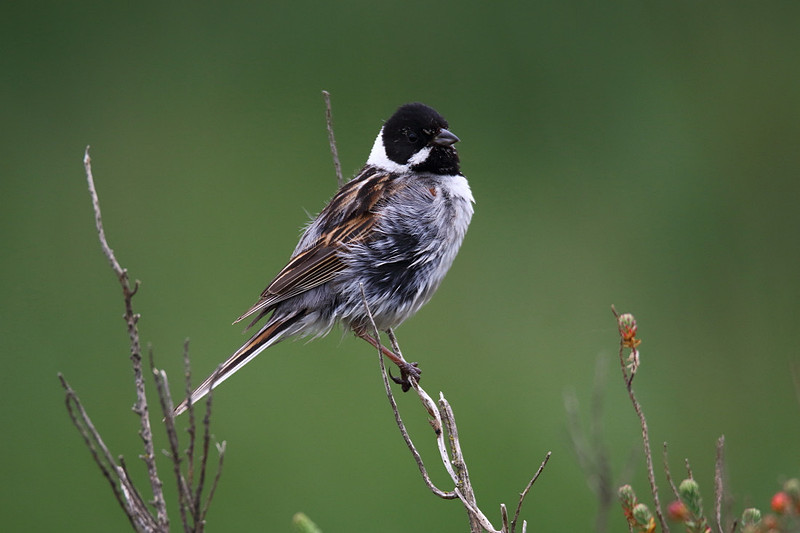
And I was particularly pleased to get some close up images of a Reed Bunting.
But after a while, the light really picked up and I was blessed with a glorious evening!!
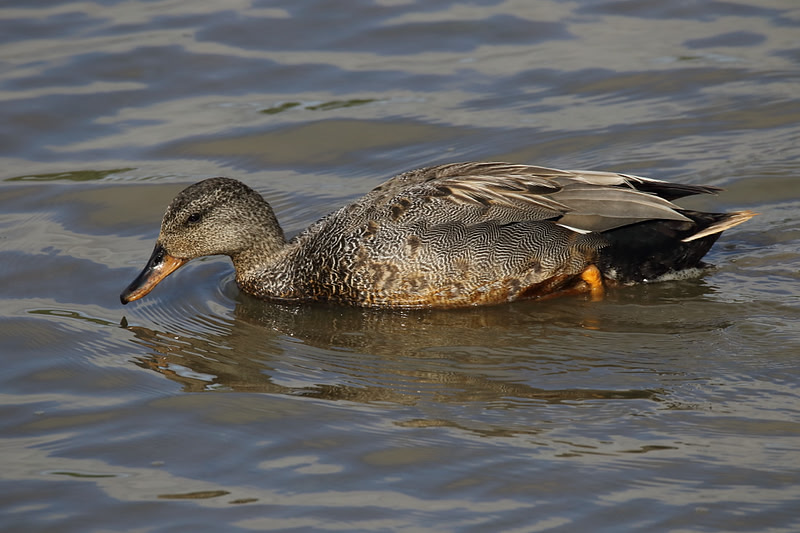
I was able to photograph the Gadwall from both the main hides on the reserve, but also from along the main path.
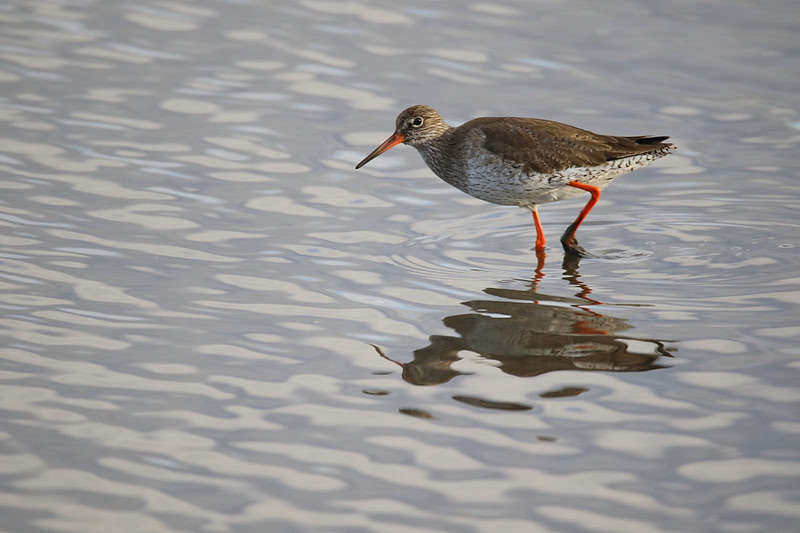
I love the lighting on this Redshank, taken from the Parrinder Hide.
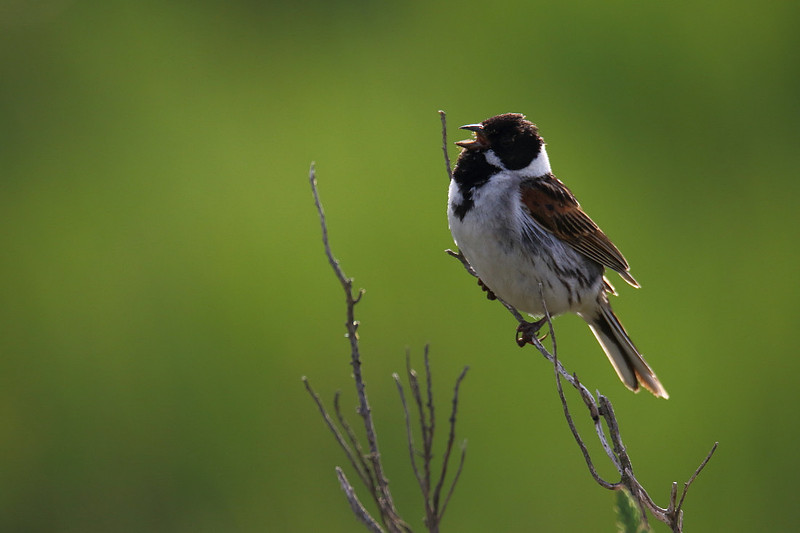
I was fortunate to get a second chance to photograph the Reed Bunting, this time against the evening light.
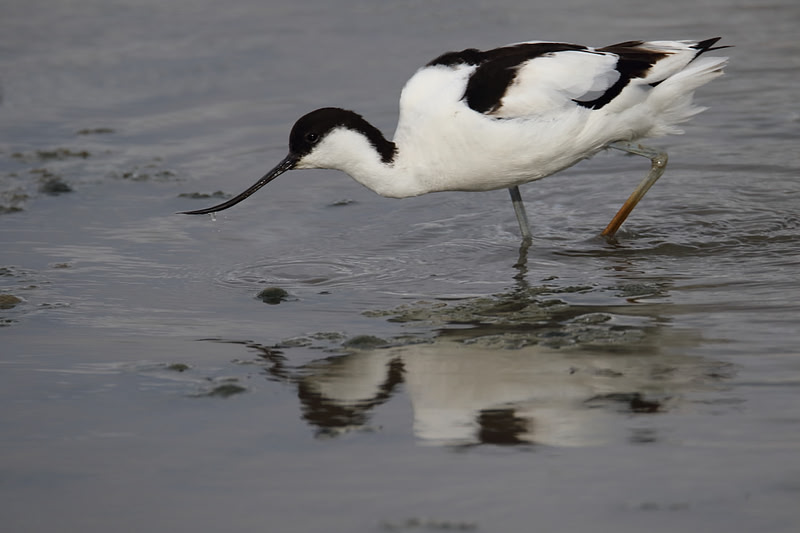
But I spent a lot of the time photographing the Avocets, testing out the AI Servo tracking and autofocus of the 7D Mark II - it is brilliant.
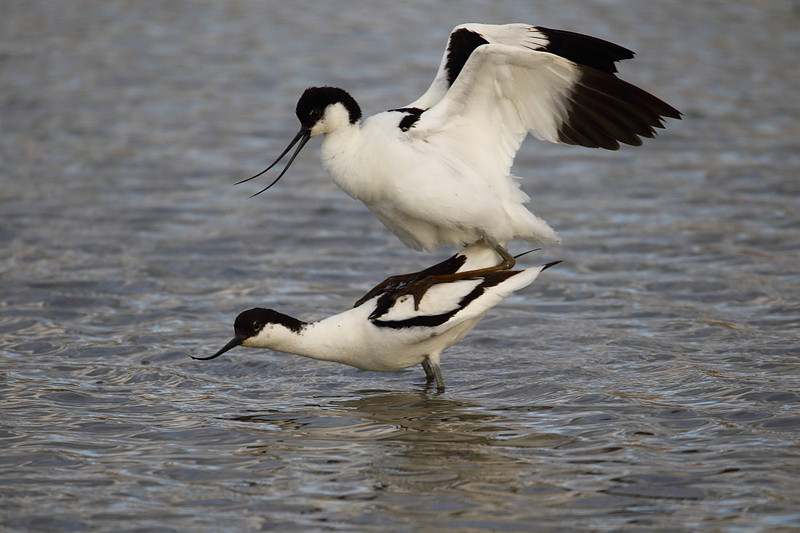
I had a really enjoyable day in Norfolk, especially when the light improved. I will post a lot more images from the trip in upcoming posts.
The new setup is great. The extra reach of the lens at 600m really makes a difference. The 7D Mark II's additional focussing points really help with composition, and the speed of autofocus is amazing. One additional bonus is that the Mark II has dual card slots, allowing you to save images to both Compact Flash and SD cards. On this occasion I used them separately, significantly increasing the number of photos I could take. This is especially useful when you are shooting at 10 frames a second!! And, importantly, the images are bright and clean, a definite improvement on the 7D Mark I!
Overall I am really excited about the opportunities my new camera and lens will bring.