My first photos with the Sigma 150-600mm sport

My first photos with the Sigma 150-600mm sport
I am very excited about my photography this year. After a great trip to Florida at Easter (more of that later) I have finally settled on the way to spend some money that has been burning a hole in my pocket for some time. Overall I have decided to upgrade to an EOS 7D Mark II with Sigma 150-600mm sport, whilst at the same time keeping my EOS 7D Mark I and Canon 100-400mm lens. The Sigma reviews very well but is also very heavy - keeping my current set up allows me to continue to use it as my "carry round" kit (for example it travelled round 8 theme parks in Florida). I recently realised I could finance all of this by trading in some equipment I have had sitting around unused for a while.
The lens arrived first, and immediately I realised I had made the right choice. It is a heavy lens and I will need to revert to my old Lowepro Pro Trekker rucksack to carry it around attached to a camera. I think I may also need to buy a new tripod and go the gym!!
I was very keen to try it out. So I gambled on the forecast being wrong and travelled to Frampton Marsh RSPB reserve - a reserve where I could test out exactly how much extra reach 600mm will give me. The first decision I had to make was how to support the new lens. I had already decided to add the strap that comes with the lens (and consequently removed the one from my camera to stop it getting in the way). The overall combination of my Uniloc 1600 major system tripod, Lensmaster Gimbal, lens and camera (Mark I) seemed quite heavy. So I opted for the gimbal and my manfrotto 681b monopod, with a bean bag over my shoulder for use in the hides.
Fortunately the forecast was very wrong and I had almost completely blue skies. I spent the first hour or so getting used to the setup, snapping distant birds just to see how big they were in the frame. And I spent quite a while unsuccessfully following a sedge warbler up and down a path outside the main hide.
My luck improved with a visit round to the East Hide, where the early morning light is often very good.
The first bird that came within reasonable distance was a Little Egret - fishing along a drainage ditch out the back of the hide.
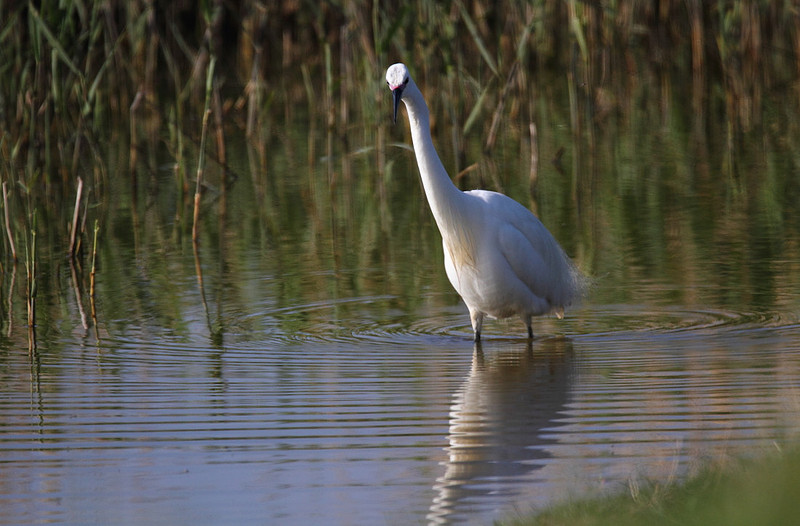

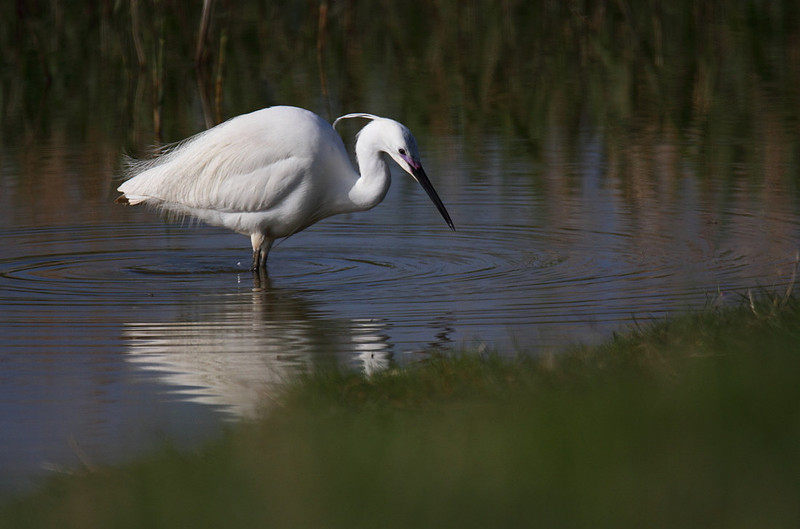
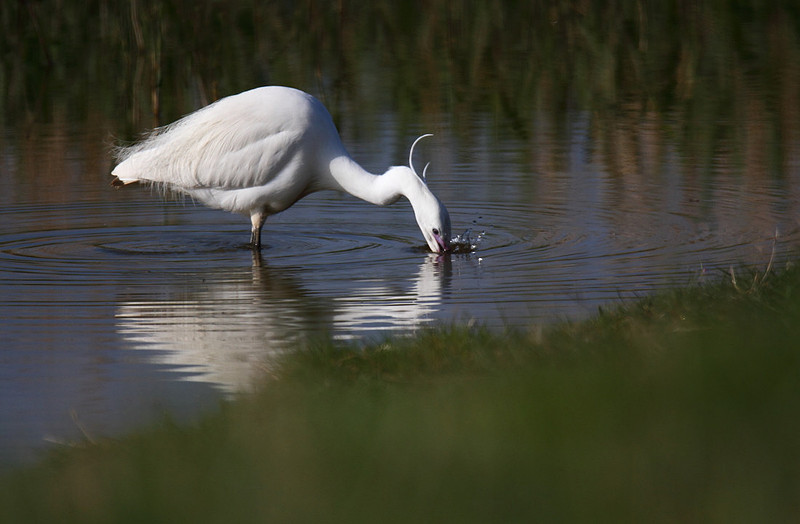
The three images above have been cropped very slightly for reframing. The rest show the genuine reach of the 600mm lens.
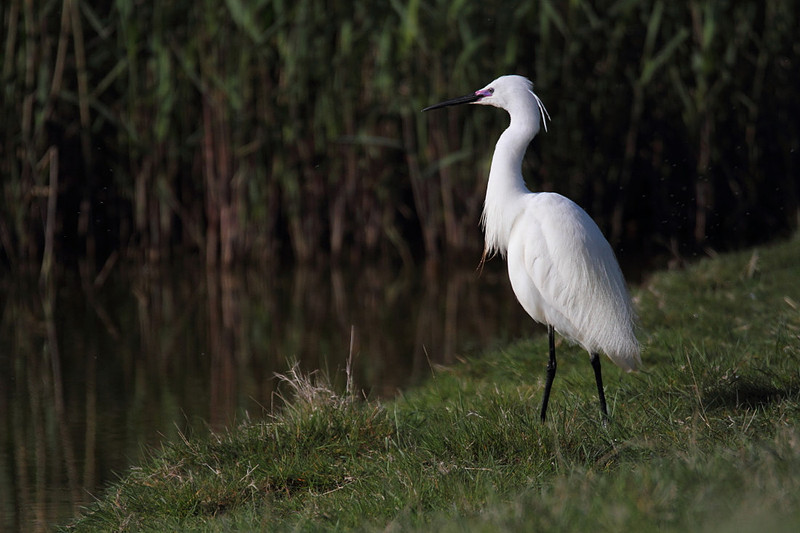
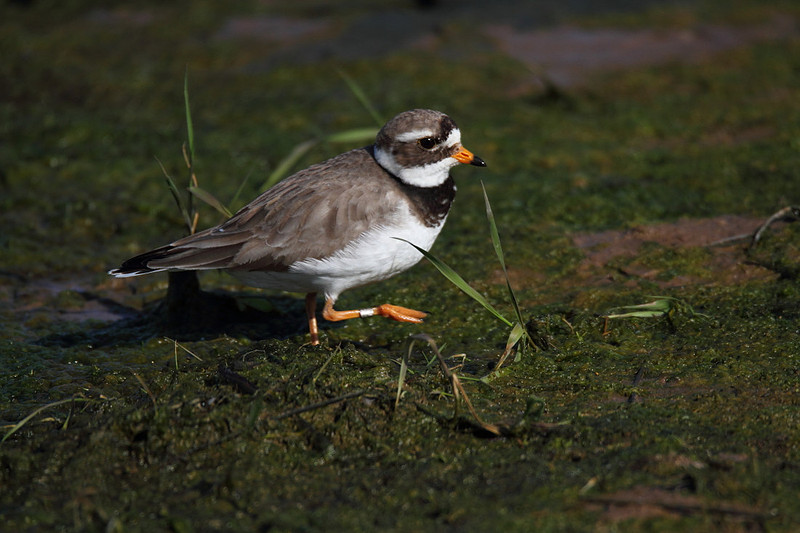
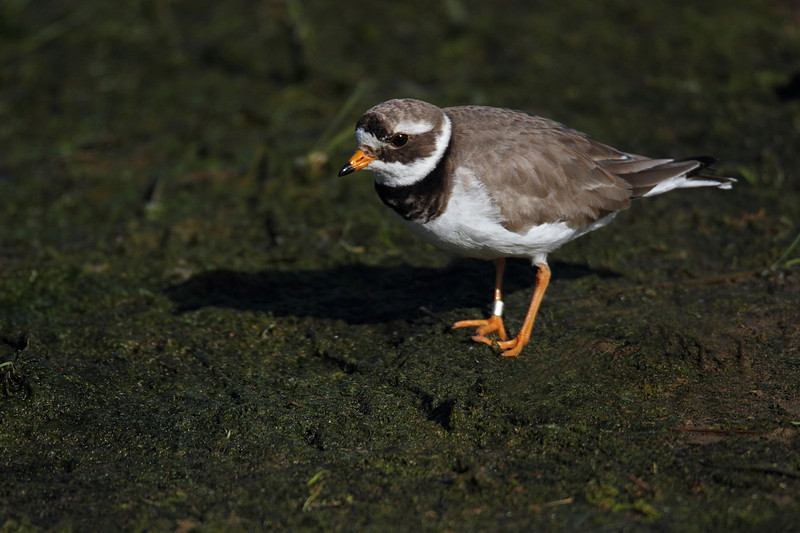
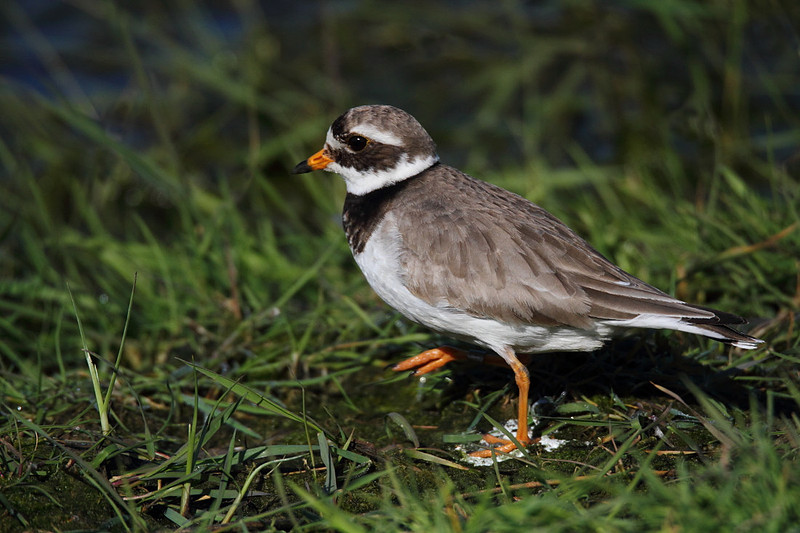
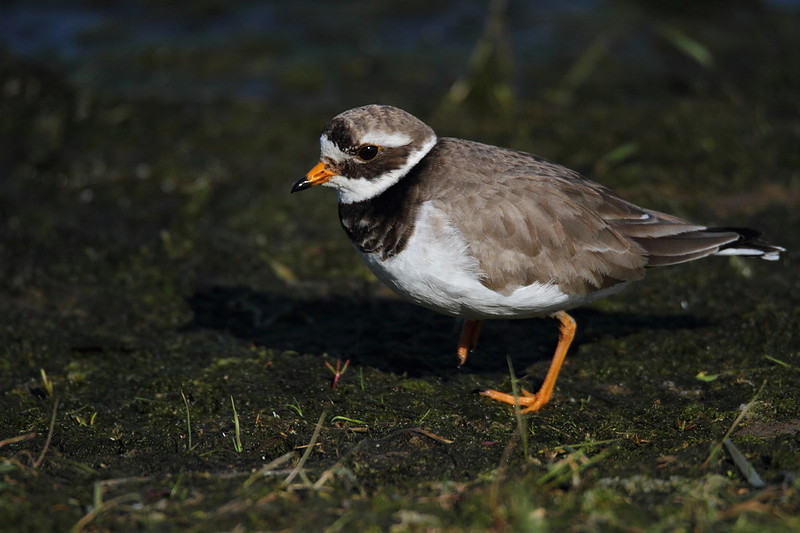
I was really delighted when a Ringed Plover decided to feed in front of the hide.
Back at the main hide I was able to test out the lens on a Mute Swan and Male Shoveler.
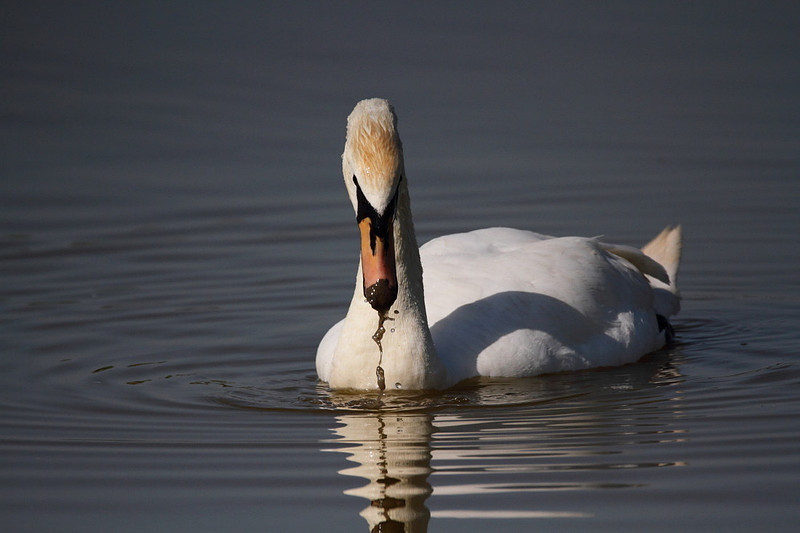
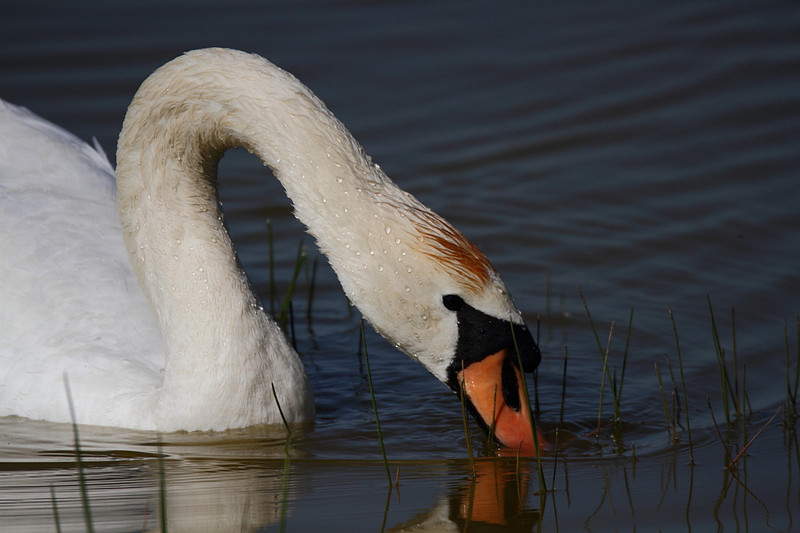
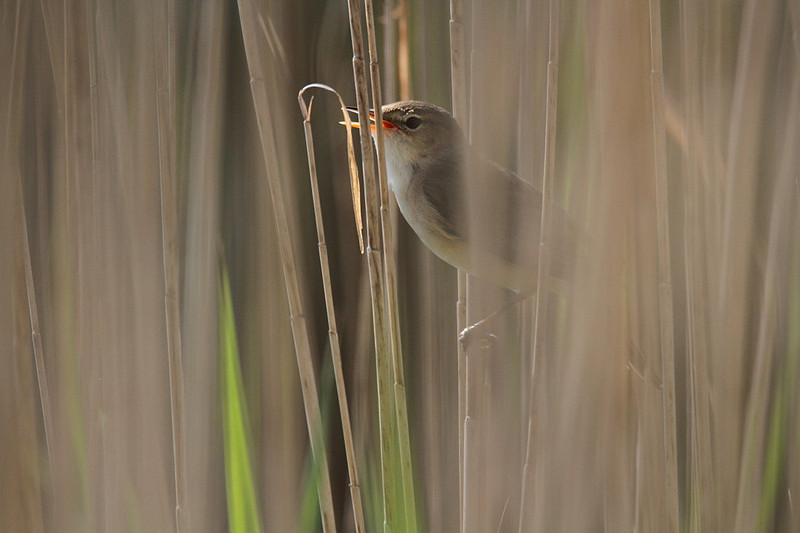
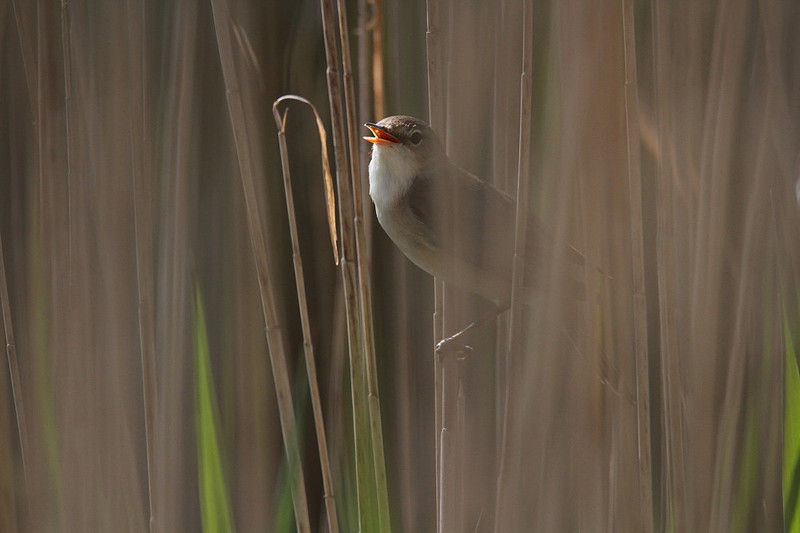
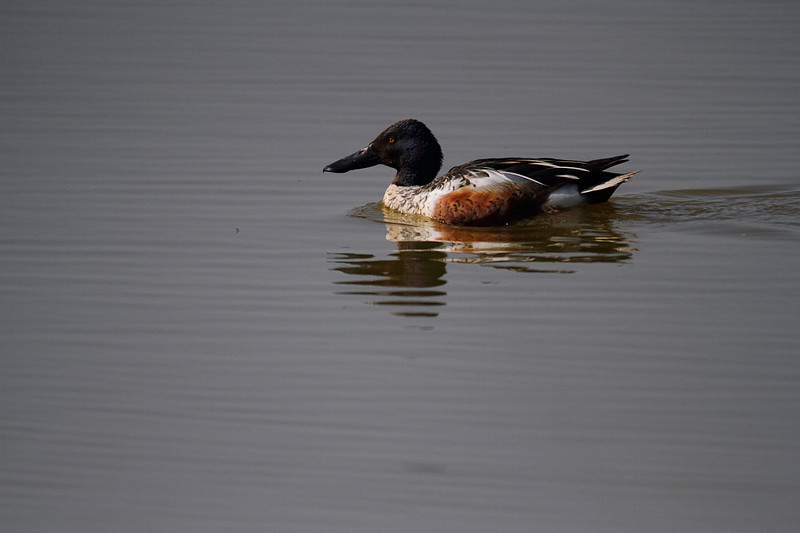 I was still keen to capture one of the smaller birds singing in the reeds. Using the monopod gave me a lot more flexibility to move around than if I had been using a tripod. With care and a slow approach, I was able to get quite close to this Reed Warbler skulking in the reeds. I had to use manual focus to start with to make sure I focused on the bird and not the reeds.
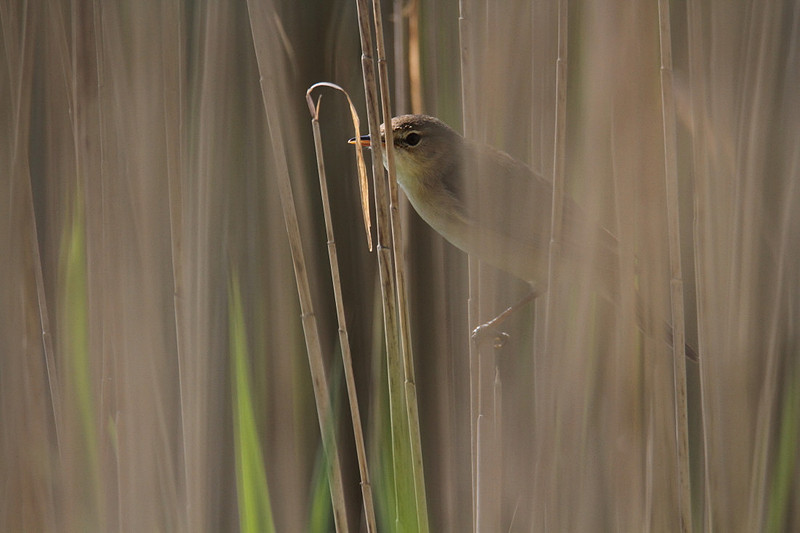
 It was only short visit to Frampton, but I was very pleased with my initial results. I think the lens , gimbal and monopod option works very well. And I can't wait to add the Canon EOS 7D Mark II to the setup.